How to Preserve the
Memory of a Family Farm
How to Preserve the
Memory of a Family Farm
Preservationists estimate that in Iowa alone about 1,000 barns are destroyed each year - either demolished, collapsed, or removed,
and that this loss may be accelerating as structures age and owners lack resources to maintain them.
How to Preserve the Memory of a Family Farm When a Farm’s Story Deserves to Continue
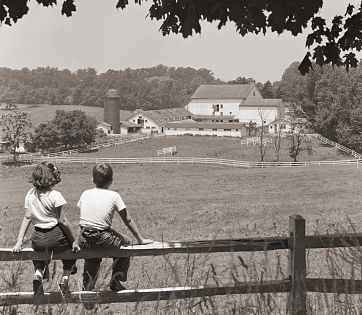
It is the place where generations built their lives. Where early mornings began before sunrise, where harvest seasons brought long days in the fields, and where children learned the work and responsibility that shaped rural life.
But farms change over time.
Sometimes the land passes from one generation to the next. Sometimes families move on to different paths. Sometimes the farm itself is sold or divided.
When those transitions happen, many families begin to realize how deeply the farm shaped their history.
The question often becomes:
How can we preserve the memory of this place for the generations that follow?
Why Preserving Farm History Matters
A family farm represents far more than acreage or buildings.
It represents years - sometimes more than a century - of work, perseverance, and life lived close to the land.
Within that landscape are countless memories:
- barns where animals were sheltered
- fields where harvests were gathered year after year
- houses where families shared meals and stories
- long gravel lanes traveled through every season
It ensures that future generations understand where they came from.
Meaningful Ways to Preserve a Farm’s Legacy
Every farm has a story worth remembering. Here are several ways families often preserve those memories.
Preserve Photographs
Old photographs capture moments that can never be recreated.
Images of barns, fields, livestock, and family members working the land become powerful records of farm life. Digitizing and protecting these photographs ensures they remain part of the family story.
Record Family Stories
Often the most valuable history of a farm lives in the memories of the people who worked it.
Recording those stories - through writing, audio recordings, or video—can preserve details that would otherwise be lost over time.
The way chores were done.
The year the big storm came through.
The stories of earlier generations who first settled the land.
Save Pieces of the Original Structures
When old barns or buildings must be removed, saving small pieces of the structure can provide a physical connection to the past.
Boards, hinges, tools, and other materials often carry deep sentimental value for families who lived and worked around them.
Document the Farm’s History
Farm maps, deeds, journals, and written records help preserve the timeline of a property and the people who cared for it.
Many families create simple written histories that explain when the farm began, who owned it over the years, and how it changed across generations.
Preserve the Barn Through Art
For many families, the barn is the most recognizable symbol of the farm itself.
Even when the structure eventually disappears from the land, its memory can be preserved through handcrafted sculpture.
At Faded Timber Studio, barn heirlooms are created to capture the form, character, and weathered beauty of the original building. When available, reclaimed wood from the barn can even be incorporated into the sculpture itself.
The result is a lasting piece of art that preserves the story of the farm in a way that photographs alone cannot.
An Heirloom That Carries the Story Forward
When a barn replica is displayed in a home, it often becomes something deeply meaningful.
It reminds families of:
- the land their parents or grandparents worked
- the building that stood at the center of daily farm life
- the place where their family story unfolded
Passed down to future generations, the sculpture becomes more than artwork.
It becomes a tangible connection to the farm’s history.
The Story of Your Farm Matters
Across the Midwest, countless family farms shaped the landscape and communities we know today.
Preserving those stories ensures that the work, sacrifice, and perseverance of those who built them will not be forgotten.
Because even when the land changes hands, the legacy of the farm still matters.
Built by Farmers,
Not Factories
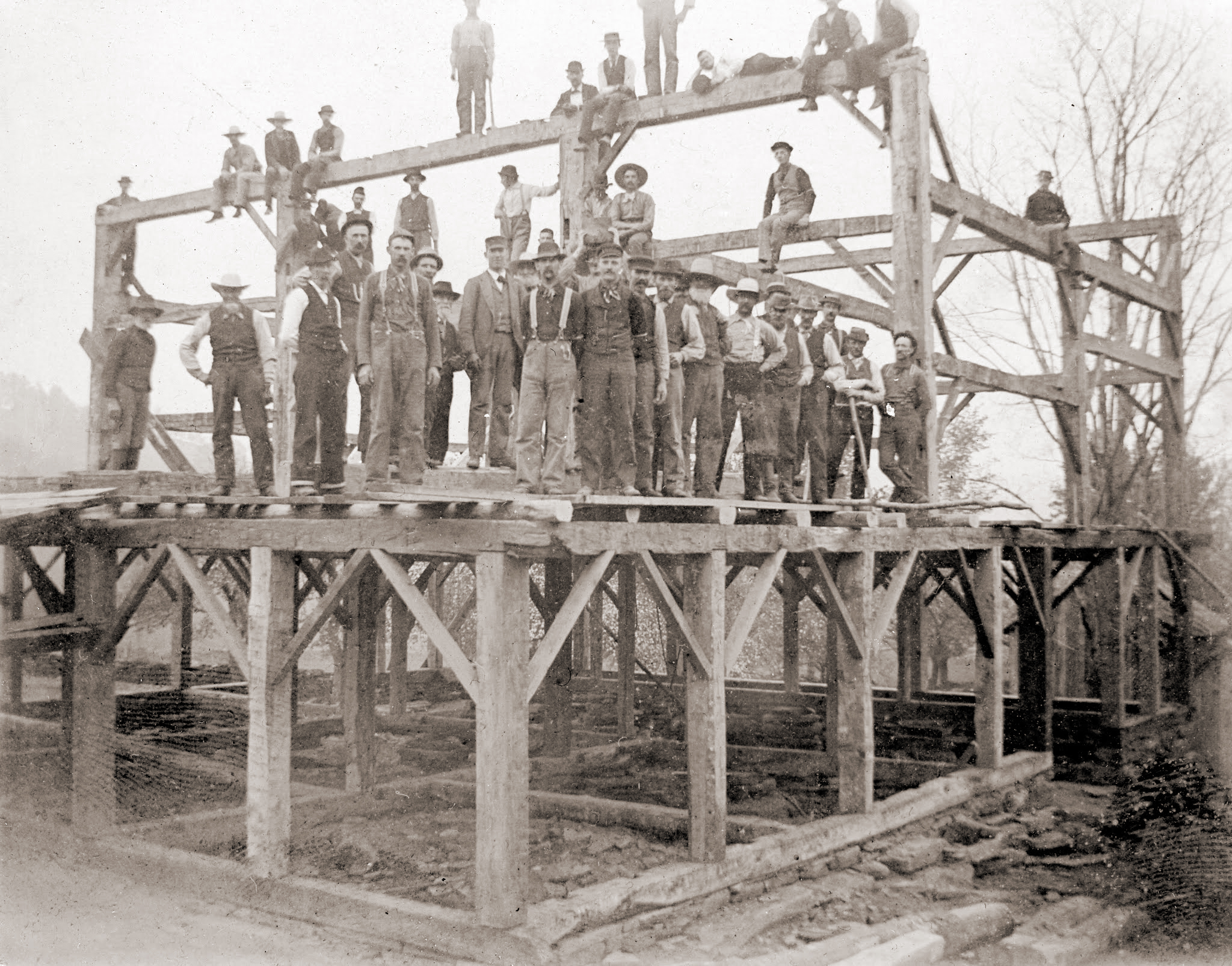
Many of the barns still standing today were built between the late 1800s and early 1900s.
Farmers and neighbors gathered for barn raisings, lifting heavy timber frames into place using ropes, ladders, and teamwork. The materials were often local - timbers cut from nearby forests, stone foundations gathered from the fields, and rough-sawn boards milled close to home.
These barns were designed for a specific purpose: to support the work of the farm.
They were built strong, practical, and meant to endure decades of weather.
And many of them did.
Why So Many Barns Are Disappearing
Despite their strength, even the best-built barns cannot stand forever.
Across the Midwest, several factors are contributing to the gradual disappearance of historic barns:
Storm Damage
High winds, heavy snow, and severe storms can quickly damage structures that have already weathered decades of exposure.
Changing Agriculture
Modern farming operations often require larger, more specialized buildings, leaving older barns without a practical purpose.
Aging Structures
Many barns are now well over a century old. Time eventually takes its toll on roofs, foundations, and wooden frames.
Farm Transitions
As land passes from one generation to the next—or changes ownership entirely—older buildings are sometimes removed to make way for new uses.
One by one, these barns are quietly leaving the landscape.
Why These Barns Matter
Old barns are more than relics of agricultural architecture.
They are reminders of how farms once operated and how families built their lives around the land.
Inside their walls:
- calves were born in spring
- hay was stacked in the heat of summer
- equipment was repaired during winter months
- generations learned the responsibilities of farm life
These structures witnessed decades of work and family history.
They stood through droughts, storms, and successful harvests.
And for many families, the barn remains one of the strongest symbols of their farm’s legacy.
Preserving the Story Before It’s Gone
Even when a barn no longer stands in the field, its story does not have to disappear.
Photographs can preserve an image. Memories preserve moments.
But a handcrafted sculpture can preserve the presence of the barn itself.
At Faded Timber Studio, barn replicas are created as heirloom works of art that capture the character of historic farm structures—the weathered siding, the faded paint, the lines shaped by decades of wind and weather.
Whenever possible, reclaimed barn wood from the original structure can even be used in the sculpture itself.
The result is more than a model.
It becomes a lasting memorial to the barn and the life built around it.
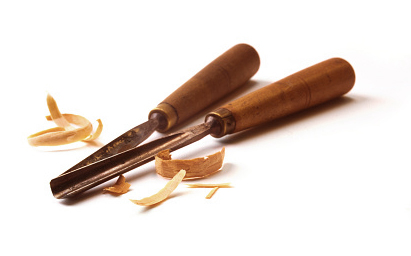
A Legacy That Can Be Passed Down
For many families, commissioning a barn heirloom becomes a way to preserve something deeply personal.
The sculpture becomes a reminder of:
- the farm where generations lived and worked
- the barn that stood through decades of seasons
- the place where family history unfolded
Because even when the barn itself is gone, the legacy of that place still matters.
How does this process actually work?
1. You share photos and story
2. We design concept
3. We handcraft barn
4. You receive a legacy
Preserve Your Barn’s Story
If your family farm once had a barn that deserves to be remembered, consider preserving it as a handcrafted heirloom.
Begin your barn commission today.
Built From What Endured.
Preserved For Those Who Remember.
Built From What Endured. Preserved For Those Who Remember.